
It’s a common sight: a group of toddlers, each engrossed in their own world, playing alongside each other but not necessarily with each other. This is a normal stage of development, but as children grow, their need for social interaction blossoms. Early education, whether in a preschool like Cubs on Kent Daycare or other daycare Chilliwack options, plays a crucial role in nurturing this growth. While chilliwack daycares are often seen as places for early learning and childcare, they are also vibrant social laboratories where young children take their first steps toward building meaningful relationships.
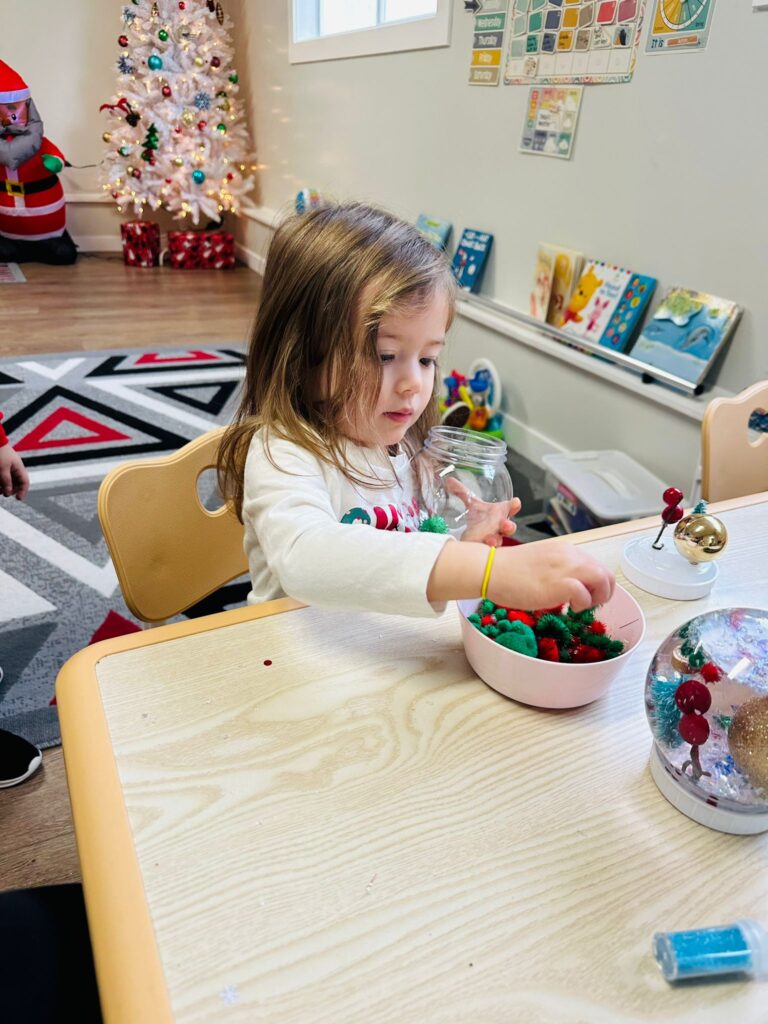
The Building Blocks of Social Development!
For young children, social skills aren’t just about making friends. They are a complex set of abilities that form the building blocks for future success. In a structured environment like a daycare, these interactions are guided by caring educators who help children navigate these crucial lessons.
Sharing and Taking Turns: These are fundamental lessons that often begin with a struggle over a favorite toy. In a group setting, children learn to share resources and wait their turn for an activity. Teachers provide positive reinforcement and help children understand the concept of fairness. For example, a teacher might say, “It’s Sarah’s turn with the red ball, and then it will be your turn.” This simple guidance helps children learn to manage their impulses and respect the needs of others.
Empathy: Learning to recognize and understand the feelings of others is a crucial skill. When a peer is sad or upset, teachers can help children connect the dots and offer comfort. They might ask, “Why do you think Liam is crying? He fell down and scraped his knee. What can we do to help him feel better?” This simple intervention helps a child develop emotional intelligence by considering another person’s perspective and responding with kindness.
Communication: From learning to use their words to express needs and wants to listening when others are speaking, children in early education settings develop the verbal and non-verbal communication skills necessary to navigate social situations. They learn to say, “I want that” instead of grabbing, and they learn to listen patiently during group activities. This is especially vital for resolving conflicts.
Conflict Resolution: Disagreements are inevitable, but they are also invaluable teaching moments. Early education provides a safe space for children to learn how to resolve conflicts peacefully, with the help of a trusted adult. When two children argue over a block, a teacher can step in and guide them toward a solution. They might suggest, “Let’s work together to build the tower instead of fighting over the block. How about one of you holds the block, and the other puts it on top?” This teaches compromise and teamwork.
Cooperation: Whether it’s building a tower together or participating in a group activity, children learn to work as a team toward a common goal. Activities like group art projects, singing songs together, or preparing for a snack teach them the value of collaboration. This lays the groundwork for working successfully in teams later in life, from school projects to professional settings.
The Daycare Environment: A Social Skills Training Ground!
A high-quality preschool or daycare in Chilliwack provides a unique setting where children can practice and refine these skills daily. Unlike at home, where a child might be the center of attention, a group setting requires them to consider the needs and feelings of others. Here’s how the environment supports this growth:
Structured Play: Activities like circle time, story time, and group games are designed to encourage interaction and cooperation. Children learn to follow rules, listen to others, and participate as a group member. These structured moments help children develop self-regulation and impulse control—key components of social-emotional growth.
Free Play: Even unstructured playtime is a learning opportunity. Children learn to initiate play, negotiate roles, and share ideas. The presence of other children with different personalities and interests pushes them to be flexible and adaptable. A child might learn to compromise by agreeing to be the “customer” when they wanted to be the “chef” in a pretend kitchen. This adaptability is a crucial life skill.
Adult Guidance: The role of the teacher is paramount. They model appropriate social behavior, mediate conflicts, and offer positive reinforcement for sharing, cooperating, and showing kindness. They help children put feelings into words, turning a potential tantrum into a teachable moment about communication. Teachers at places like Cubs on Kent Daycare act as guides, helping children understand and express their emotions in healthy ways.
The Long-Term Benefits of Early Social-Emotional Development
The social skills learned in early education have a ripple effect that extends far beyond the playground. Children who have a strong foundation in social-emotional development are more likely to:
Succeed academically: They are better able to focus in class, work in groups, and follow instructions. They have the confidence to ask questions and participate in class discussions.
Build strong relationships: They are better equipped to make and keep friends throughout their lives. Their ability to empathize and communicate effectively helps them form deep and lasting bonds.
Handle challenges: They have the resilience and coping mechanisms to navigate life’s ups and downs. When faced with a difficult situation, they are more likely to seek help and find solutions rather than become overwhelmed.
For parents in the area considering preschools in Chilliwack BC, it’s important to look beyond the curriculum. A nurturing environment that prioritizes social-emotional development, like Cubs on Kent Daycare, is an investment in a child’s future well-being and success. Early education isn’t just about learning letters and numbers; it’s about learning how to be a good person, a good friend, and a valued member of a community. By choosing a daycare that focuses on these vital skills, you are giving your child the tools they need to thrive both in and out of the classroom.